
Rock Lake Conservation Newsletter - Fall 2026
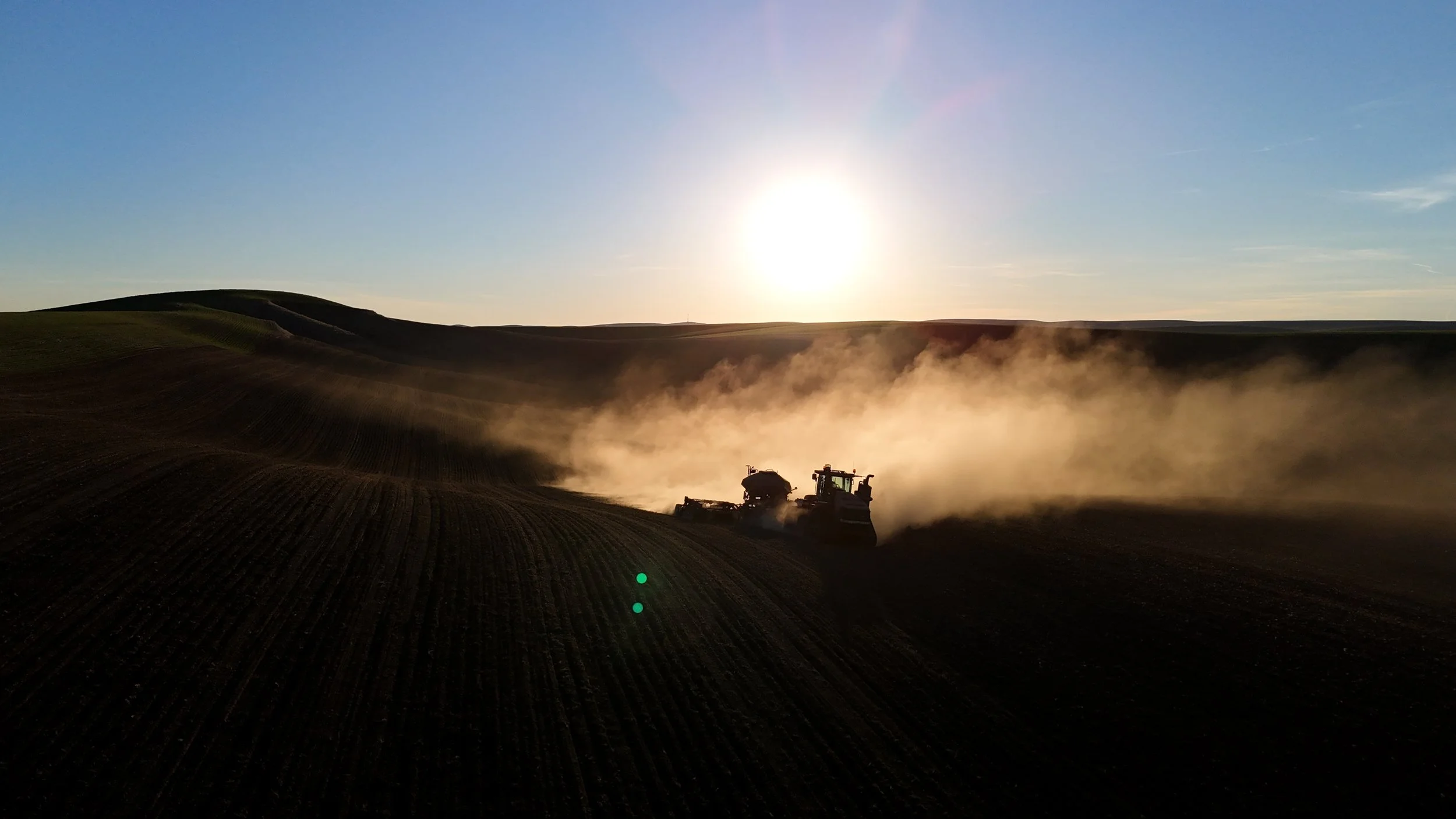
The planting season is in full swing, and farmers are busy cultivating their winter wheat crops for 2027. Ranchers are also preparing for the winter by putting up hay. Homeowners are cleaning up their properties and preparing their lawns for the colder months ahead. This time of hard work may not yield immediate results, but it's essential for the future. Whether it's sowing seeds for next year's crops, feeding livestock that will graze on the land and support local families, or tending to your own garden and the wildlife it nurtures, the Rock Lake Conservation team recognizes the importance of these efforts, and we are grateful for them!
RLCD Project Highlights
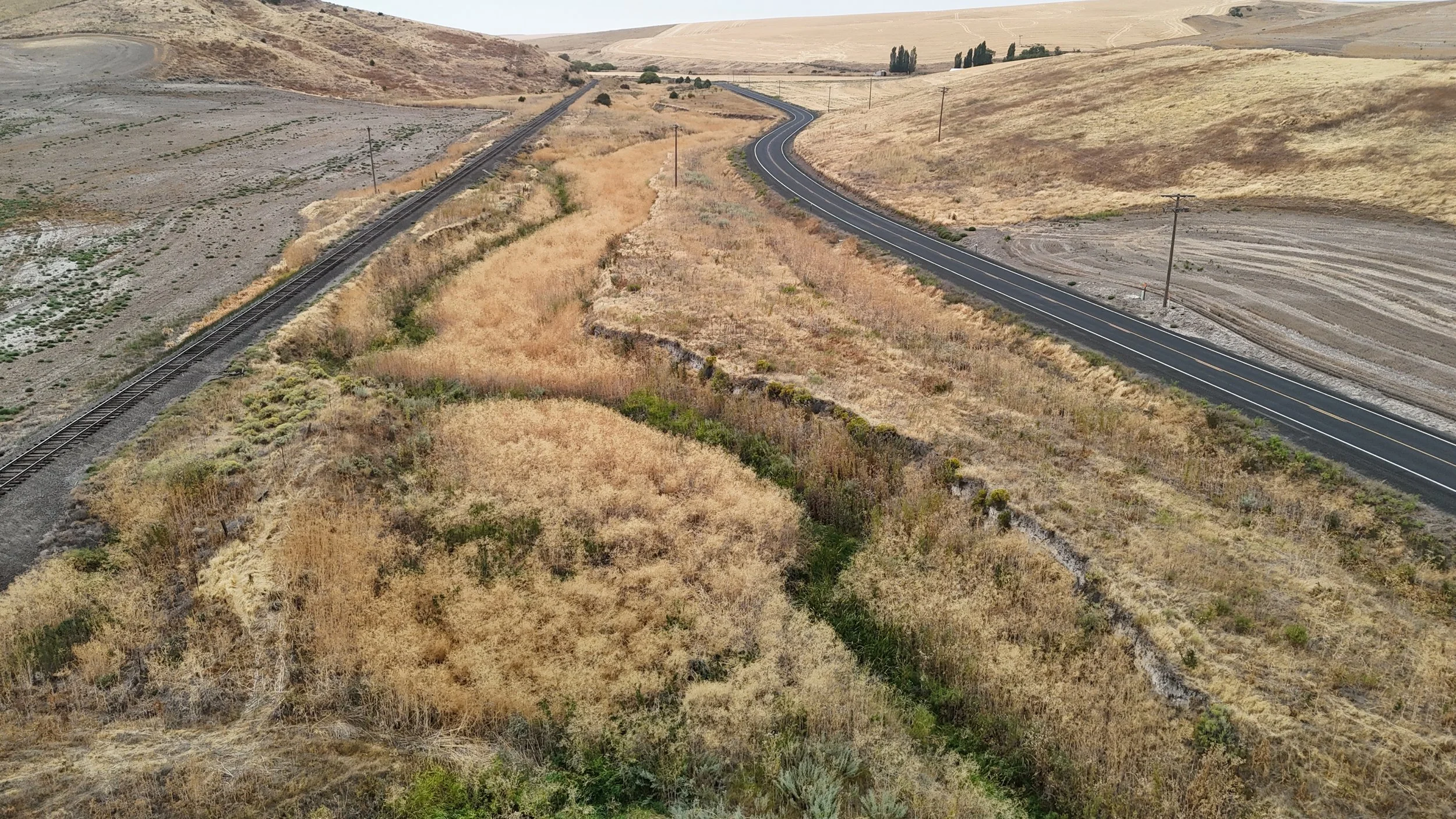
Downing Creek Riparian Restoration Project
Riparian work is not for the faint of heart! These projects take patience, perseverance, and the ability to admit when you need a little help. Upon permit approval in August, RLCD got the green light to begin in-water work on the Downing Creek Riparian Restoration Project. With the help of Anabranch Solutions, 35 Beaver Dam Analogs (BDAs) were installed in September. A crew spent a week carrying materials to the site and building each individual BDA out of locally sourced materials. The image below shows how quickly the creek began to slow down and create small pools. These pools are excellent habitat for a myriad of both aquatic and terrestrial species that play into an ever-larger ecosystem.
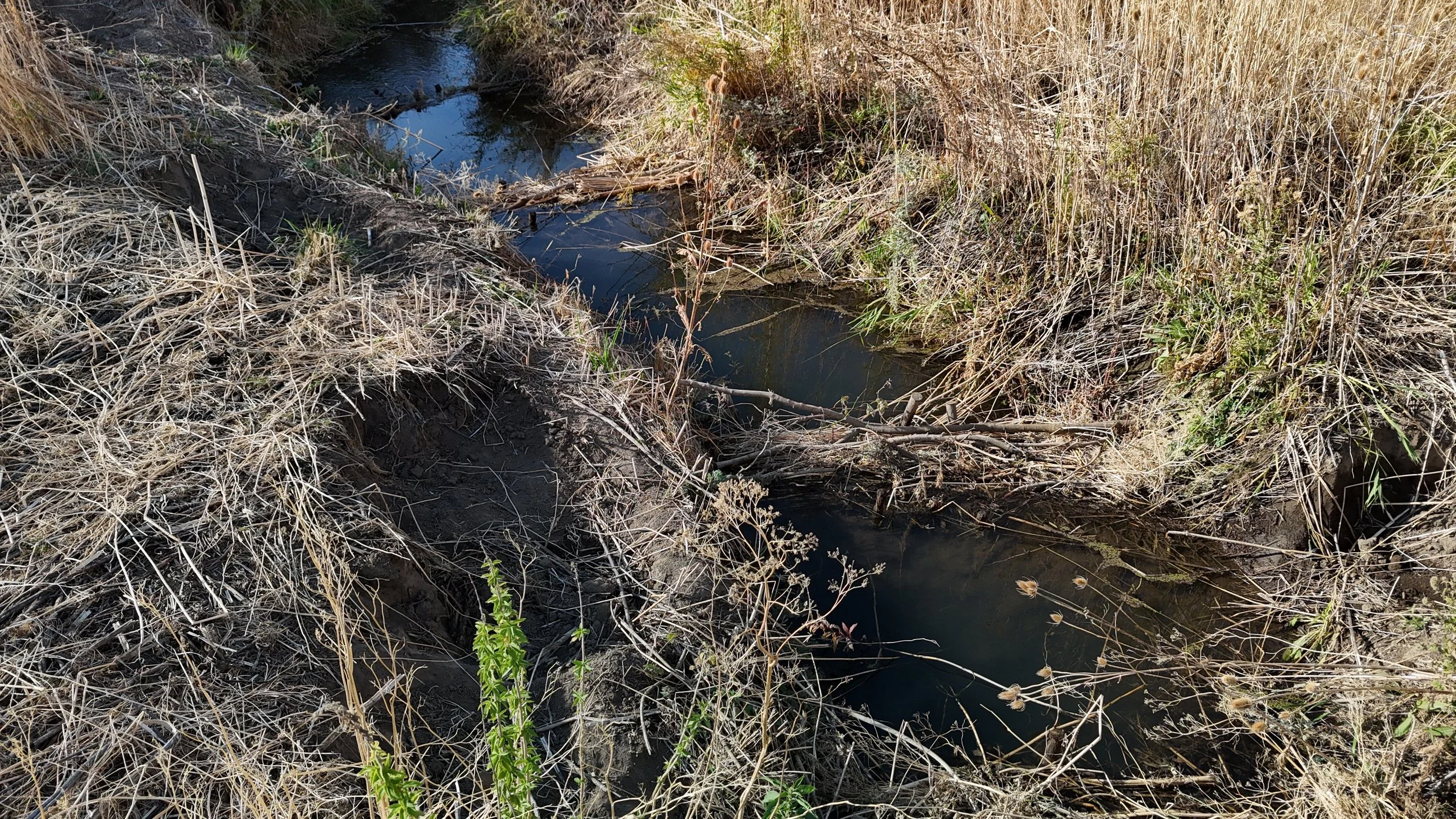
The next steps for this project include finding solutions for eliminating the invasive poison hemlock that has overgrown across most of the site. Once this hurdle has been cleared, nearly 2,500 native shrubs and trees are expected to be planted on the site along both sides of the creek.
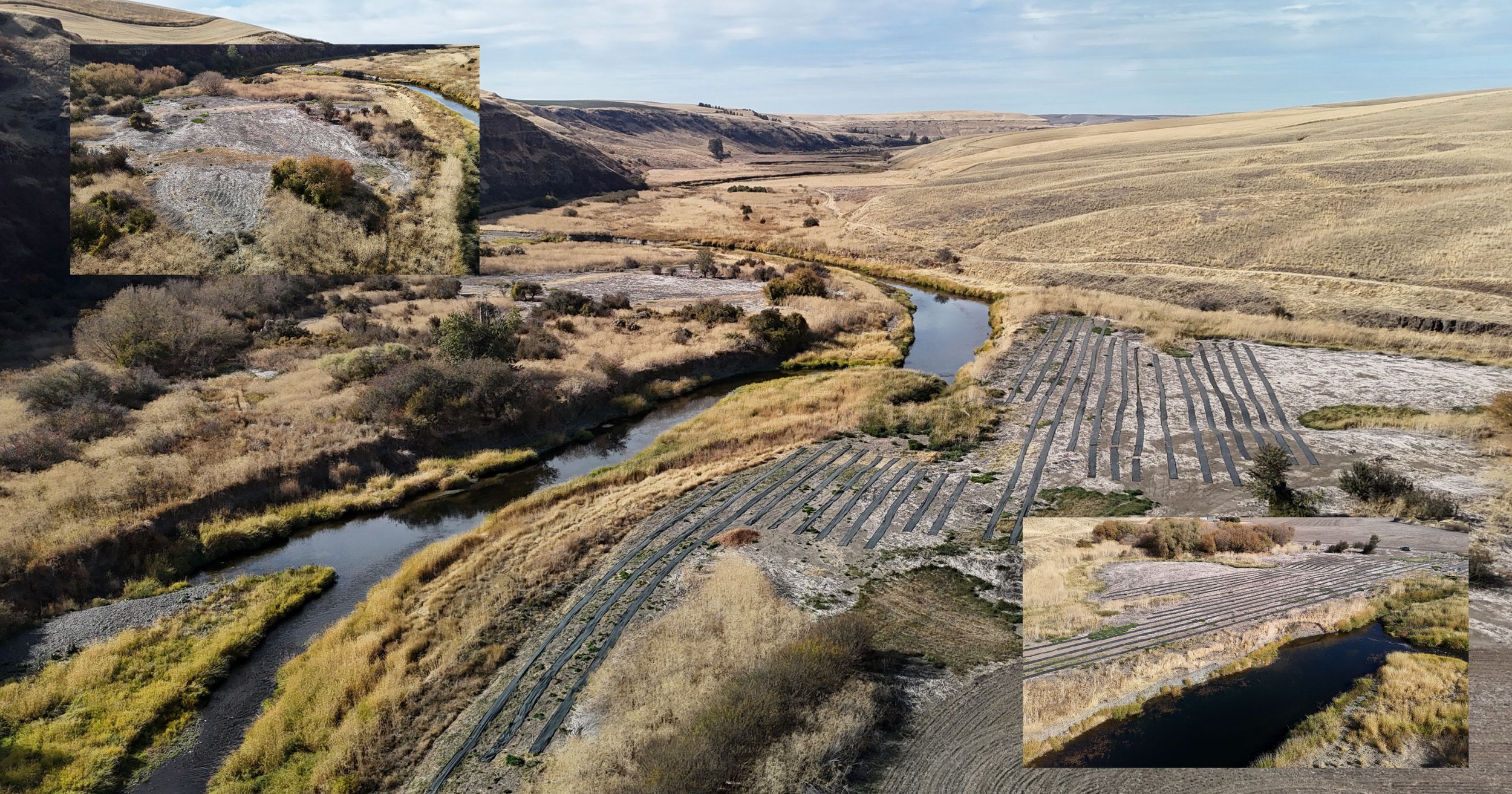
Palouse River Riparian Restoration Project
The Palouse River site is prepped and ready for planting in just a few short weeks! Nearly 2,600 natives trees and shrubs will be planted along the river to provide structure and strength to the banks and limit erosion over time. LeAnn and Bob have spent many hours removing poison hemlock from the site in preparation for these plantings. With weed barrier installed, RLCD now awaits delivery of the natives next week to begin planting!
Community outreach
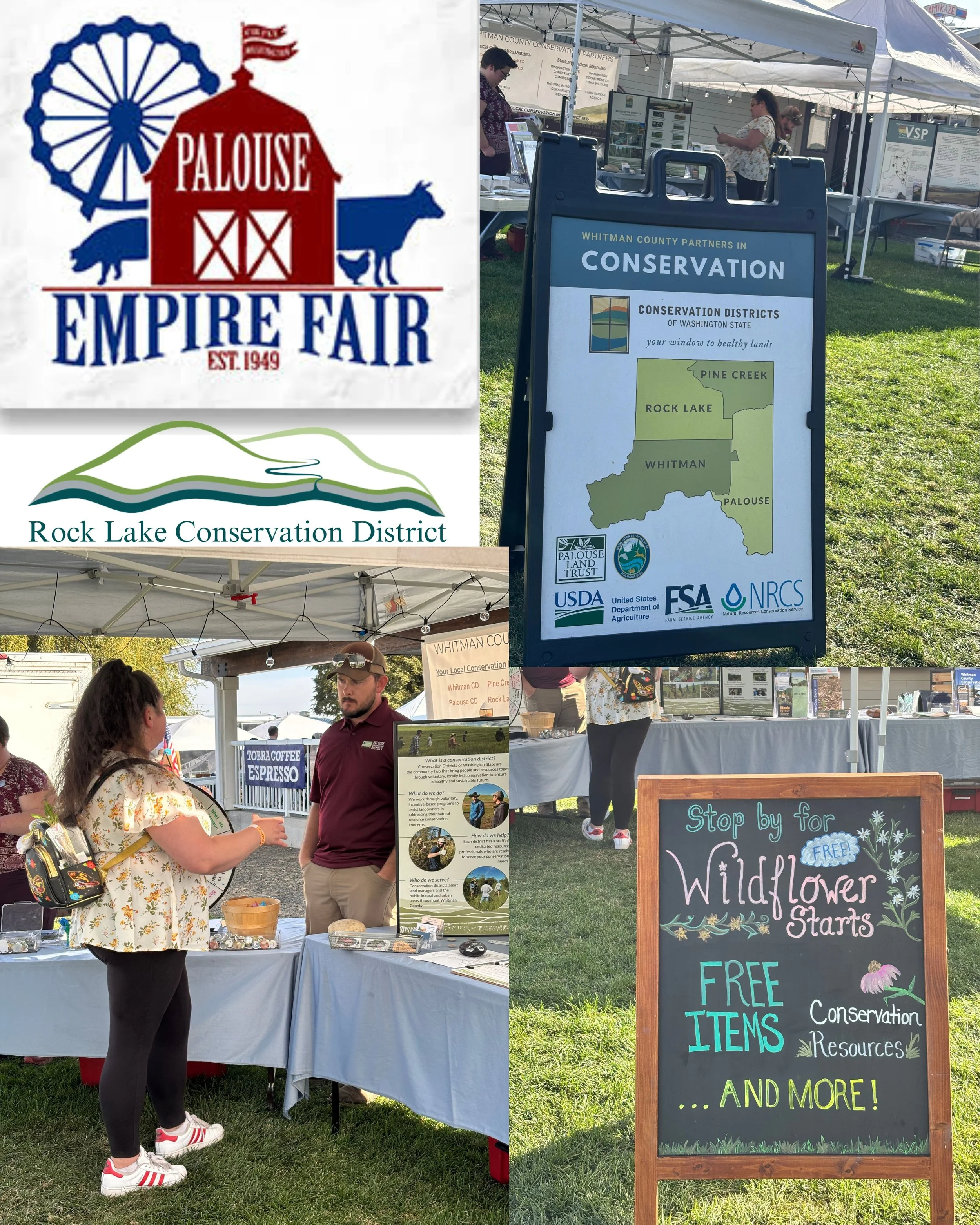
Palouse Empire Fair - Whitman County Conservation Booth
At the beginning of September, RLCD and our partners came together to host the Whitman County Conservation Booth at the Palouse Empire Fair in Colfax. Employees from the Whitman, Pine Creek, and Palouse Conservation Districts, along with the NRCS and the Washington Department of Fish and Wildlife, joined RLCD staff to man the booth, connecting with locals from across Whitman County and Southeastern Washington. Hundreds of folks were reached - a few asked thoughtful questions about managing their properties, some wondered how they could get involved with volunteer opportunities, and many took advantage of the free native plants that were given away. The Palouse Empire Fair is always an excellent way to get into the spirit of fall and to bring everyone back together after a long harvest season.
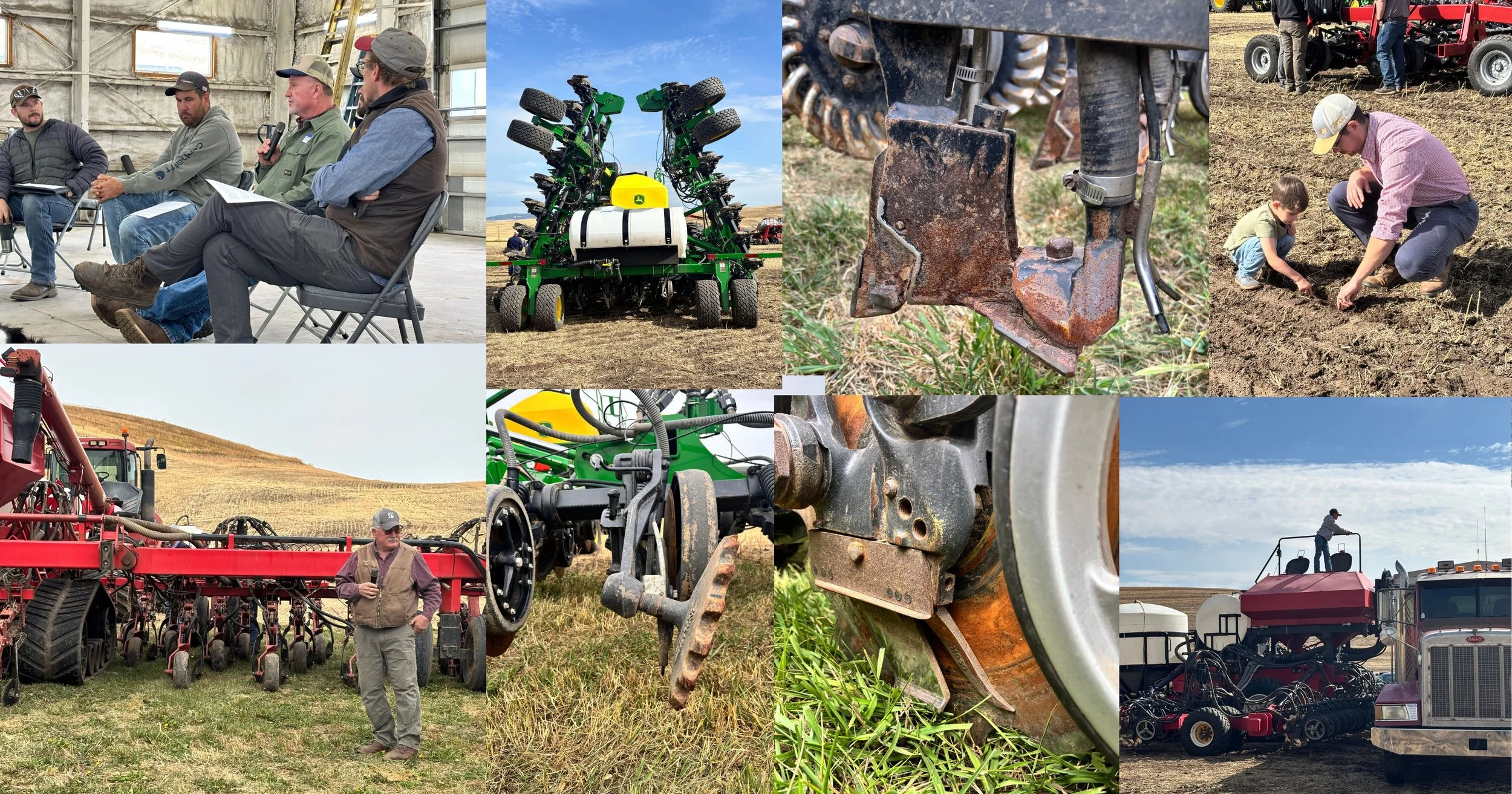
Low and No-Till Drill Demonstration Day
On September 15th, farmers from across Eastern Washington joined the Whitman County Conservation Districts, the Direct Seed Association, and the Washington Association of Wheat Growers to learn all about direct seeding systems. The event fostered peer-to-peer conversations and the sharing of ideas across different types of operations. The event began with a producer panel of four different growers who have implemented some type of low-till or no-till system on their farms. Then, attendees were encouraged to examine the machines themselves to see the differences between the systems so as to better choose one for their own operations. The owners of those drills gave a short talk describing the machine, the settings they use it, and any tips and tricks for success. Finally, all five drills were put to the test, and each seeded a small plot. The plots seeded by each drill will be monitored throughout the growing season and harvested to show the differences between each of these no-till systems. To keep up with the updates, make sure to follow the Palouse Conservation District on social media!
Upcoming Events
Southeast Area Meeting
Join the RLCD for the 2026 Southeast Area Meeting of the Washington Association of Conservation Districts on October 28th! Registration is open until October 14th.

Coffee Talk Friday - November 6th
Join us for Coffee Talk Friday on November 6th to chat about farming, ranching, and conservation! Looking ahead to December, there will be NO Coffee Talk Friday in December!